
Monitoring ecosystem restoration with transparency: World Vision's journey with Solstice
Thriving children need a thriving environment
World Vision is a global Christian relief, development and advocacy organisation working with children, families and communities to overcome poverty and injustice. Healthy land and ecosystems underpin many of the conditions children and communities need to thrive, from food and water security to resilient livelihoods. Through its Environmental Sustainability and Climate Action (ESCA) work, World Vision supports approaches including Farmer Managed Natural Regeneration (FMNR), climate-smart agriculture, ecosystem restoration and climate-related disaster mitigation in countries around the world.
As World Vision's environmental and regreening programming has grown, so too has the challenge of monitoring it effectively. Restoration can take place across thousands of farms and small plots; practices vary between landscapes and communities; farmer-to-farmer replication can extend beyond areas directly supported by a program; and ecological change happens over time. Counting people trained or activities delivered is therefore not enough.
Monitoring with transparency
For World Vision, effective restoration monitoring means going beyond estimates and one-off snapshots where practical. We want monitoring to be grounded in field-led evidence that can help us understand what is happening at a specific location and how that changes over time.
That means collecting site-level information that is spatially referenced, traceable to a real location, collected consistently, quality checked, linked to defined indicators and repeatable over time. A hectare figure is stronger when it connects to a mapped site, monitoring information and later revisits.
Transparency also means being clear about what the data can and cannot tell us. Rather than overstating findings, we want to bring together the available evidence, identify gaps and continue strengthening how we monitor change.
Choosing a platform by starting with the problem
World Vision did not begin its restoration monitoring journey with Solstice. In late 2023, we first defined the capabilities required for FMNR and regreening monitoring and then formally assessed seven commercial and open-source platforms.
We were looking for a dynamic platform that could support offline data collection, GPS-based mapping of restoration sites, dashboards, flexible permissions, use across countries and languages, access for external partners, sustainable cost, and robust data security and privacy.
An alternative platform initially emerged as the preferred option for a field test in Kenya. In February 2024, while in Kenya to conduct that pilot, World Vision colleagues working in WASH demonstrated how they were already using mWater. Their practical experience prompted us to look more closely at the same underlying technology for environmental monitoring and, in particular, at mWater's sister platform, Solstice.
Solstice ultimately provided the combination World Vision needed: strong spatial functionality, reliable offline field data collection, flexible survey design, dashboards and visualisation, organisational structures and permissions, access for external partners, privacy controls, and room for the monitoring methodology to evolve. A particularly important part of our experience has also been direct access to the Solstice team, rapid response times and a willingness to develop solutions alongside users.
From discovery to a field-tested system
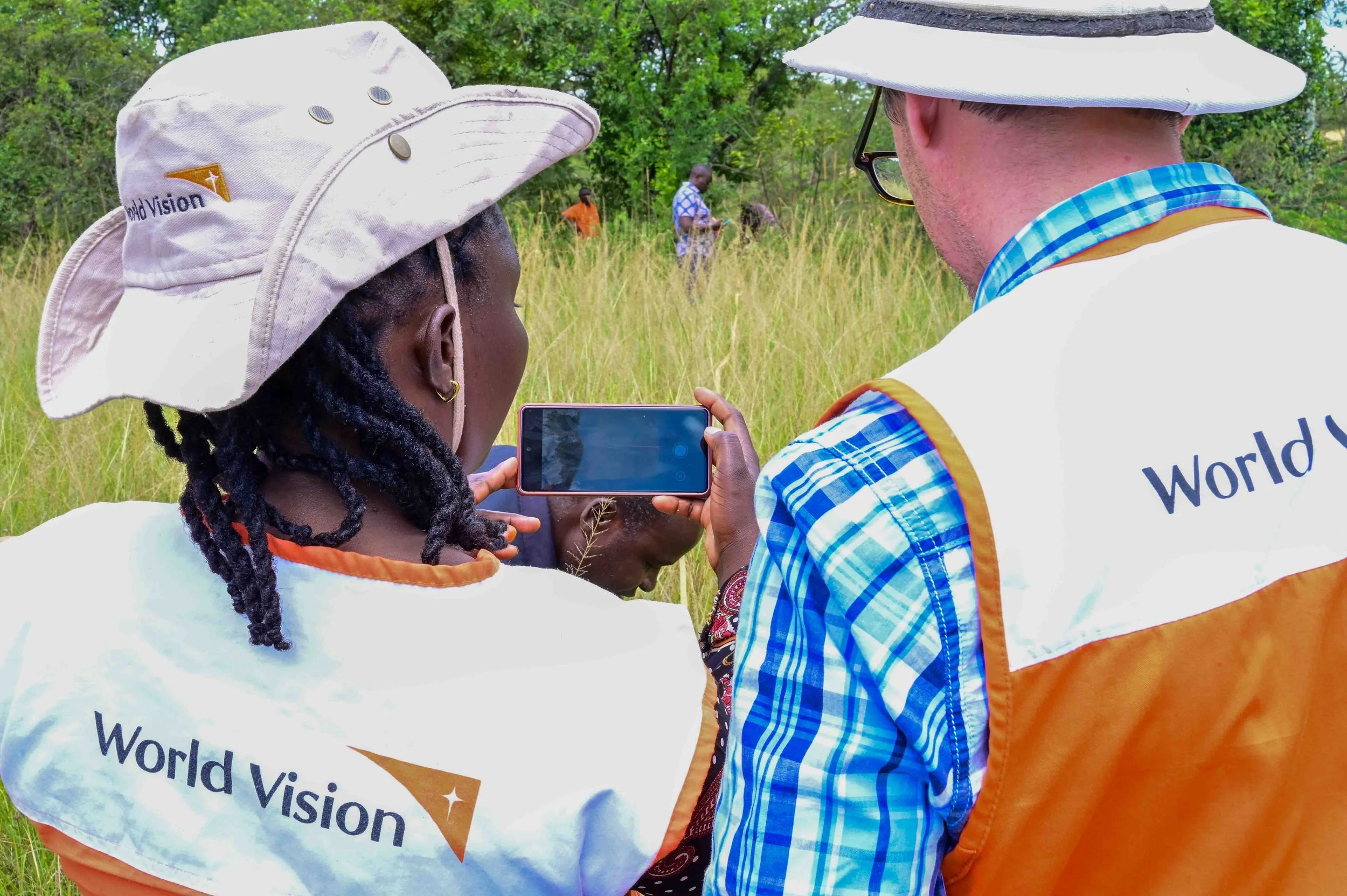
In March 2024, the mWater/Solstice team confirmed that Solstice used the same underlying system as mWater in an environment suited to sectors beyond WASH. This opened up the possibility of building on technology already familiar within World Vision while developing a monitoring system designed for restoration rather than adapting a WASH-branded tool.
The question shifted from whether a WASH system could be adapted to whether Solstice could support a fit-for-purpose restoration monitoring system.
Solstice was first piloted for FMNR in Kenya and Uganda, with the initial training delivered remotely by World Vision Australia. The early trials showed promise while also helping us refine both the platform set-up and our developing approach to restoration monitoring. Most of the early teething problems related to survey design and configuration rather than the platform itself. Surveys were tested with field teams, feedback gathered and adjustments made, creating an iterative process of build, test, simplify and test again.
Following this early field experience, a multi-stakeholder Accelerator Squad worked from May to September 2024 to understand what would be needed to use Solstice more broadly across restoration and ESCA programming. Colleagues from World Vision's Global Centre, the United States, Uganda and Australia worked through privacy requirements, indicators, user needs, training and partner engagement. The focus had moved from testing software to co-designing a monitoring system that could work in practice.
By August 2024, Solstice was being presented internally as World Vision's preferred platform for FMNR and restoration mapping and monitoring, with tailored FMNR mapping and monitoring tools in development and early use.
How Solstice supports World Vision's programme delivery and evidence today
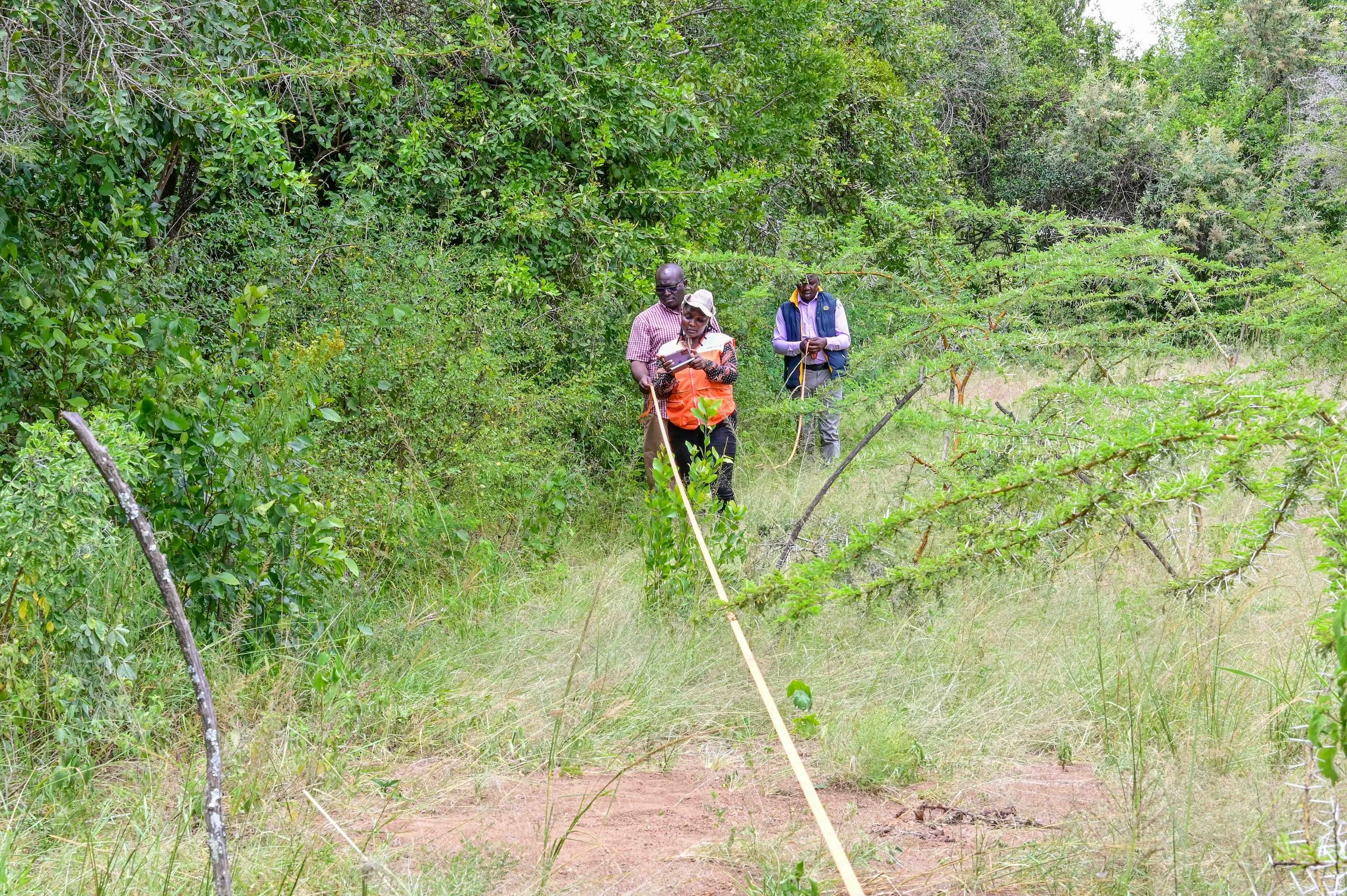
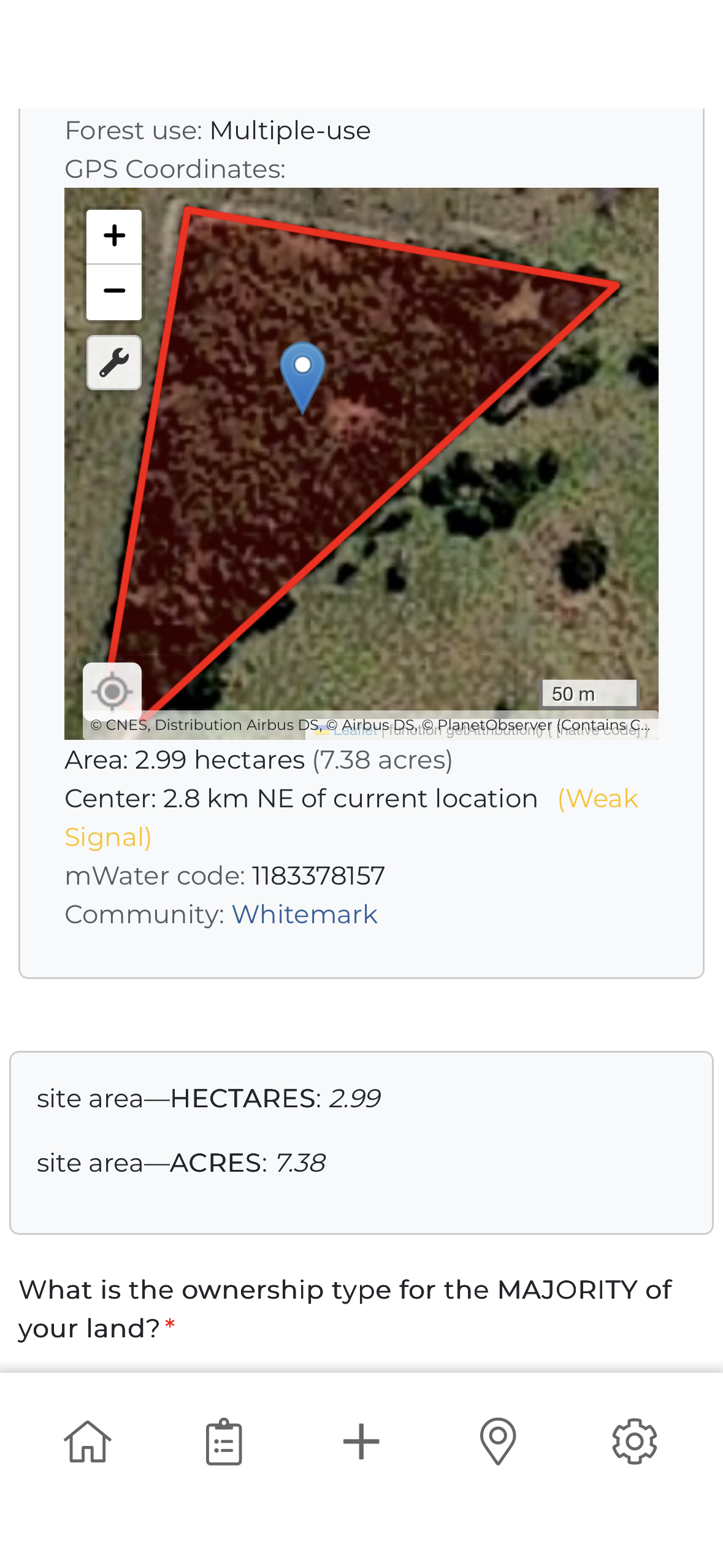
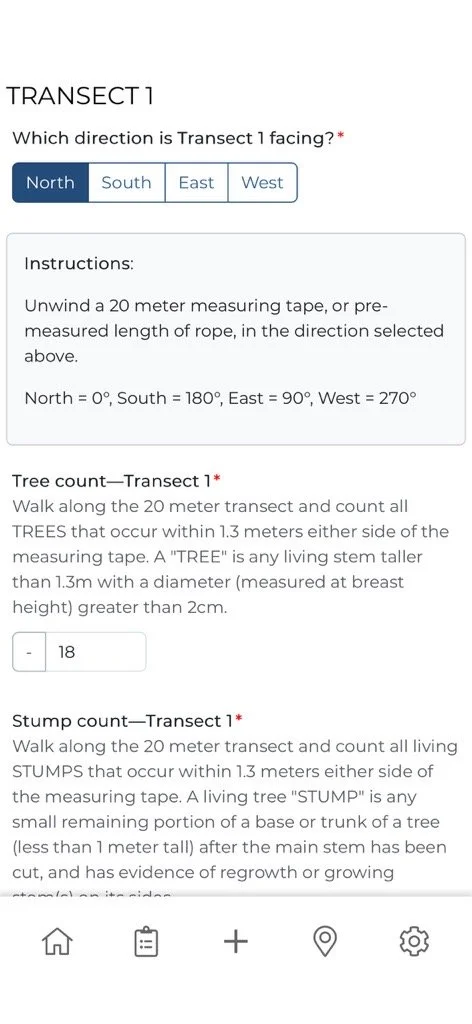
Today, field teams use Solstice to create spatially referenced evidence of community-led ecosystem restoration. Forest and agricultural restoration sites can be mapped as areas or monitoring locations, with survey information attached to each site. Teams can record restoration practices, repeat photographs and ecological observations such as tree and regeneration measures, then return to the same location in later monitoring rounds. Because mapping and surveys can also be completed offline, teams can work in remote locations and share information such as the mapped size of a restoration area with farmers while they are still in the field.
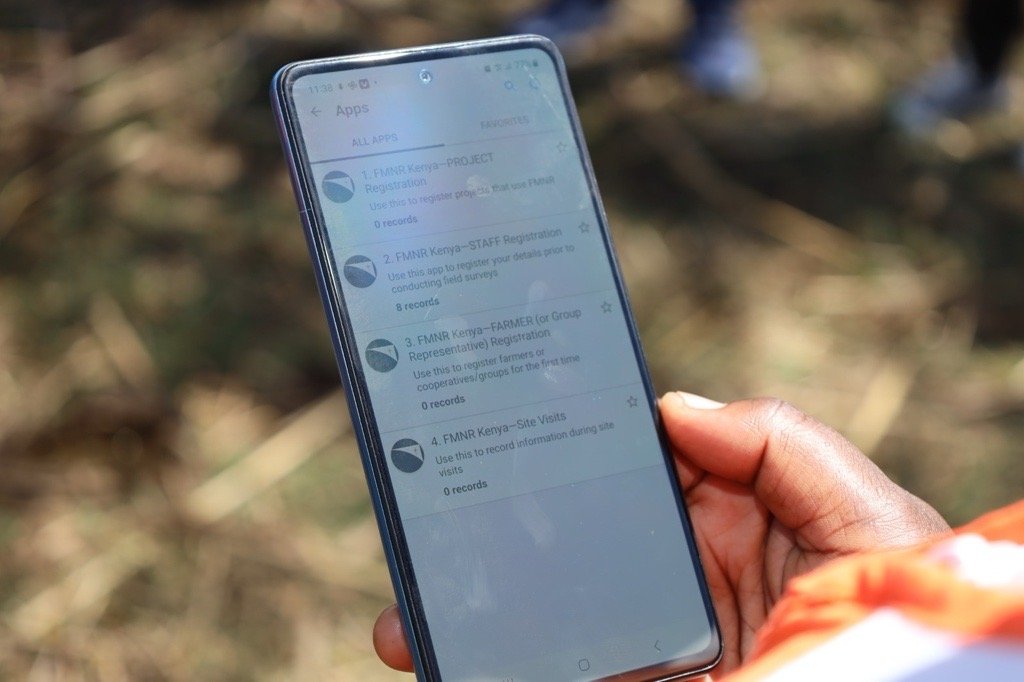
This persistent site structure is important. Instead of continually creating disconnected records, teams can ask a more useful question: not simply 'Where did an activity occur?' but 'What is happening at this restoration site through time?'
For monitoring and evaluation officers and project managers, Solstice provides a common environment to manage forms, users, permissions and project structures; review and quality-check submissions; map results; and build dashboards. This makes it easier to identify monitoring gaps, missed revisits and records requiring follow-up without needing to work directly with raw spatial files.
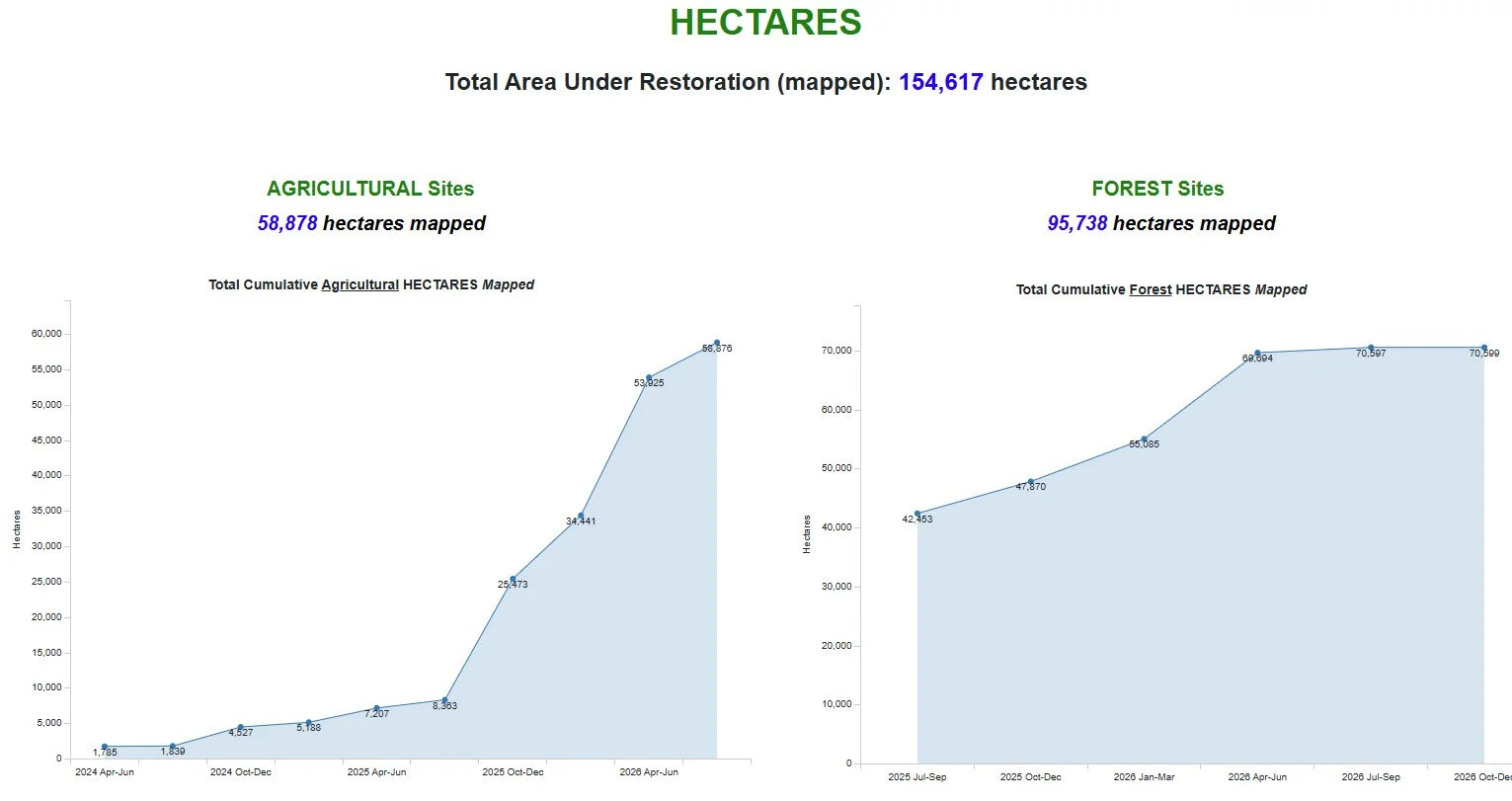
More importantly, Solstice is becoming an evidence system rather than simply a data repository. It connects implementation, geography, indicators, monitoring and visual evidence so that information collected in the field can contribute to understanding change from individual sites through to project, national and wider portfolio reporting.
From monitoring to action
Across World Vision’s field programmes, monitoring needs to do more than generate reports—it needs to help teams make better decisions while work is still underway. Our experience with Solstice is showing how simpler monitoring, stronger quality control and clearer visibility of gaps can make routine monitoring more useful to programme teams.
One practical change is who can manage routine monitoring. In one Uganda project without dedicated monitoring, evaluation, accountability and learning (MEAL) staff, the project coordinator and project officer are now able to manage routine data collection and review submissions themselves using Solstice. The simpler navigation and form development have reduced reliance on specialist support and made it easier to provide assistance remotely. This gives project teams greater control over routine monitoring and allows specialist support to be focused where it is genuinely needed.
The portal also allows monitoring teams to review incoming data while collection is still underway. Errors or inconsistencies can therefore often be identified and corrected with field teams immediately, rather than being discovered later during data cleaning or after teams have left the field.
In Kenya, Solstice has also helped teams identify where monitoring effort is most needed. Analysis of mapped sites showed that some geographic areas were under-represented despite the large overall volume of data. Rather than undertake another broad mapping exercise, the team identified the exact number of additional assessments required to specifically target those geographic gaps. Monitoring was not just documenting the work—it was helping the team decide where to focus next.
The same evidence has helped shift monitoring effort away from continually collecting new one-off records and towards revisiting established sites and a representative sample of farmer-to-farmer replication sites. This creates a basis for understanding change over time, rather than repeatedly building a picture from scratch.
For our teams, the value lies in having better information to guide what happens next. Easier routine monitoring, earlier quality control and clearer evidence of monitoring gaps help teams direct limited time and resources where they are most needed. That is how we want monitoring to contribute to better programmes—not simply by documenting activity, but by helping us respond to what we are learning while implementation is still underway.
Integrity depends on more than software
Another important part of the Solstice partnership has been how problems are handled. When changed forms, incorrect selections, duplicates or configuration errors occur, the Solstice team has been willing to investigate issues at the underlying data level. This is important when records represent substantial field effort that may be costly or impossible to repeat. A credible approach to data integrity includes being able to detect, investigate and recover from problems when they occur.
Data protection and privacy remain essential design considerations and will be explored in a dedicated follow-up article.
What's next
Today, more than 31 World Vision offices are registered within the ESCA organisation in Solstice, with participation continuing to grow.
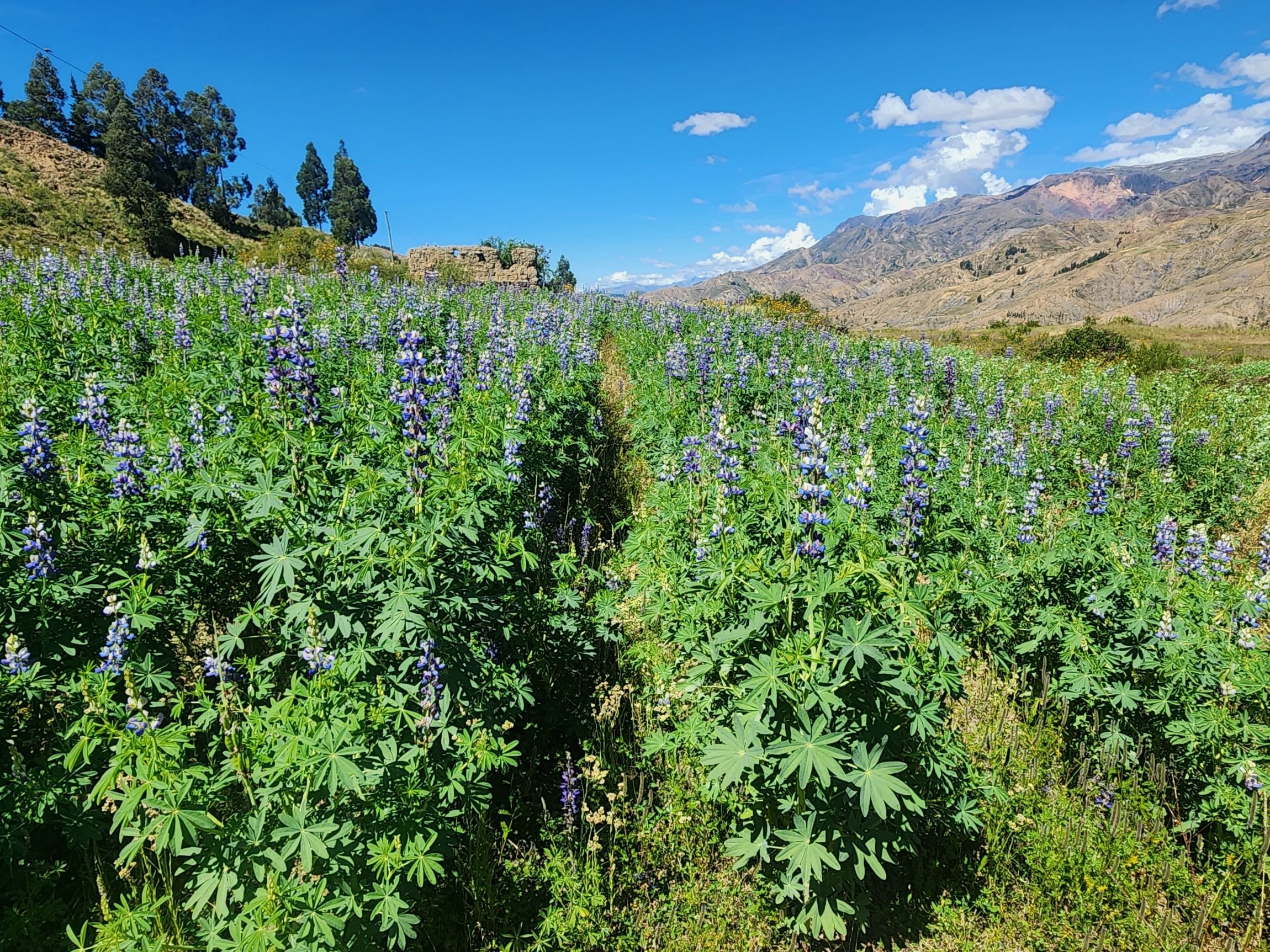
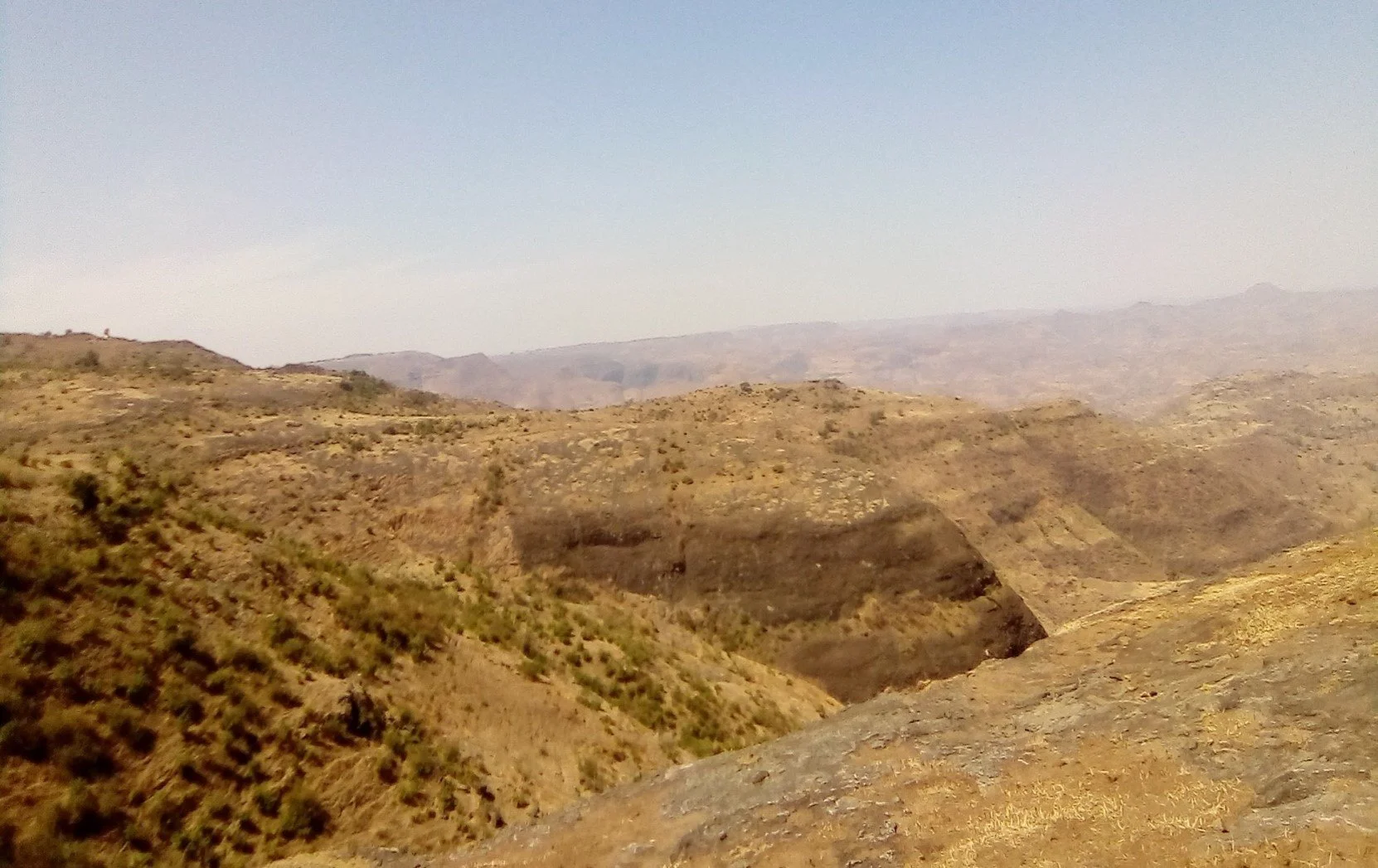
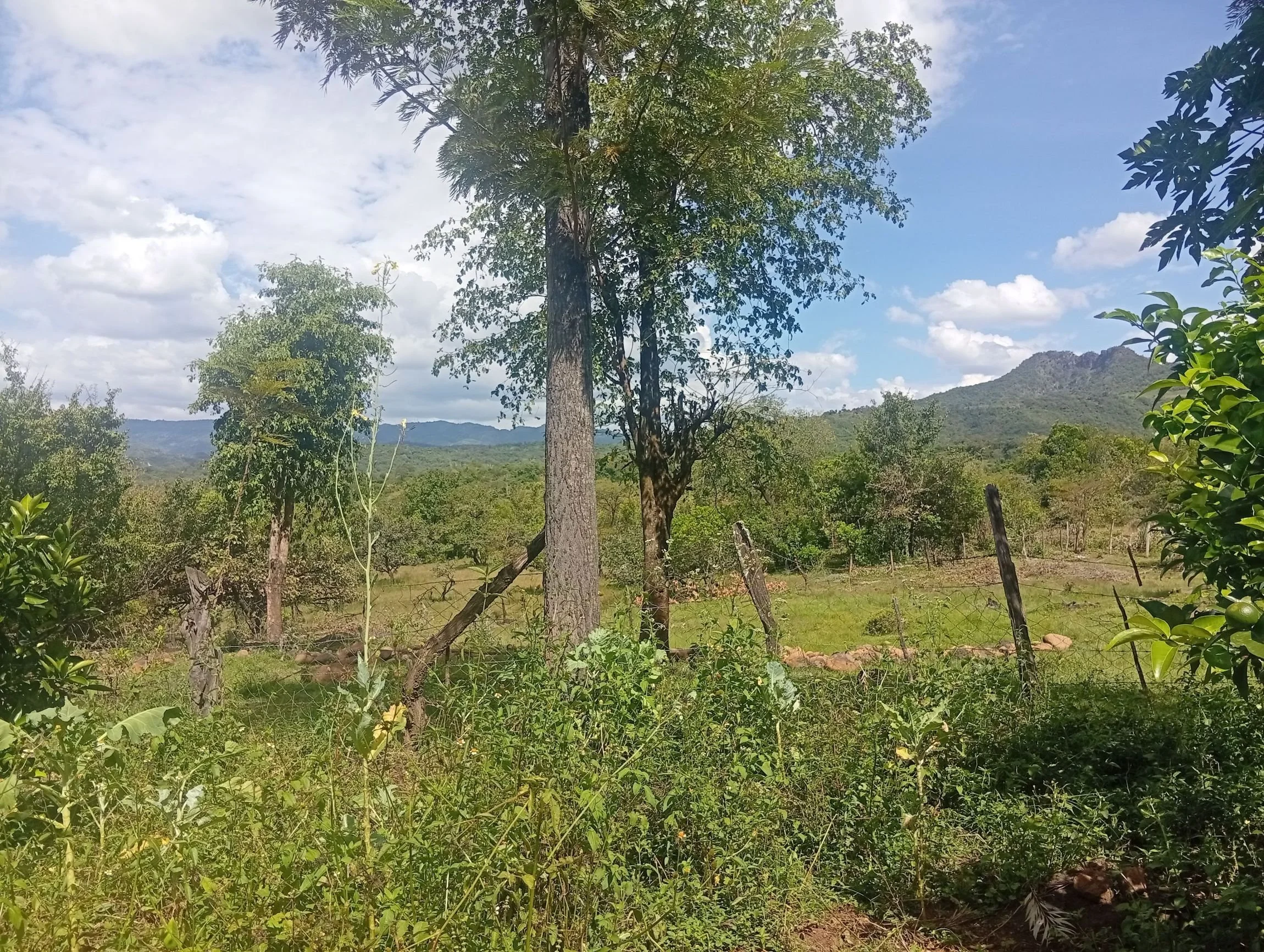
Solstice provides a foundation for more consistent, field-led, and transparent monitoring while continuing to evolve alongside the programs it supports.
The focus is increasingly on connection and interoperability: strengthening consistency across projects and countries, linking monitoring across World Vision sectors, bringing in partner data appropriately, and connecting field observations with other spatial and environmental datasets and remote sensing.
We are also exploring how World Vision's site-level evidence could better align with, and where appropriate contribute to, national restoration monitoring and reporting systems, as well as regional and global mechanisms such as FERM. That opportunity is important, but it also raises questions about common standards, governance, interoperability, privacy and the responsible use of evidence from different sources.
For us, the next chapter is about more than improving a platform. It is about strengthening how we monitor restoration, learning from what is happening in the field, and building a clearer and more connected picture of change over time—across sites, projects, partners and, increasingly, the wider restoration landscape.
Authors:Andrew Carter, Monitoring Lead
Briah Black, Engagement Officer
Alice Muller, Senior Monitoring and Evaluation Advisor